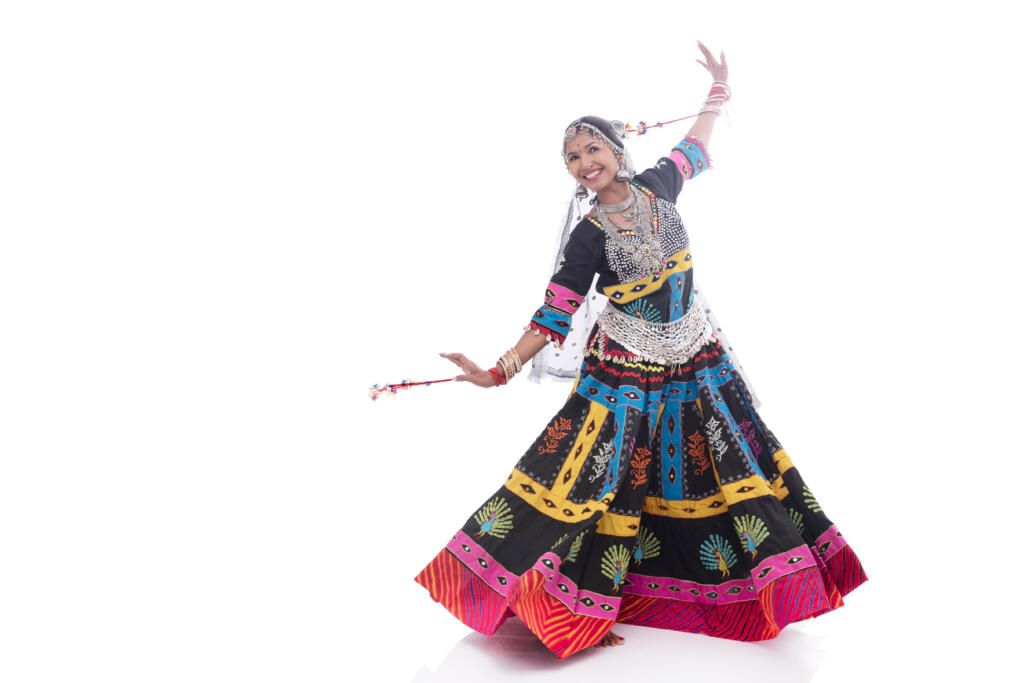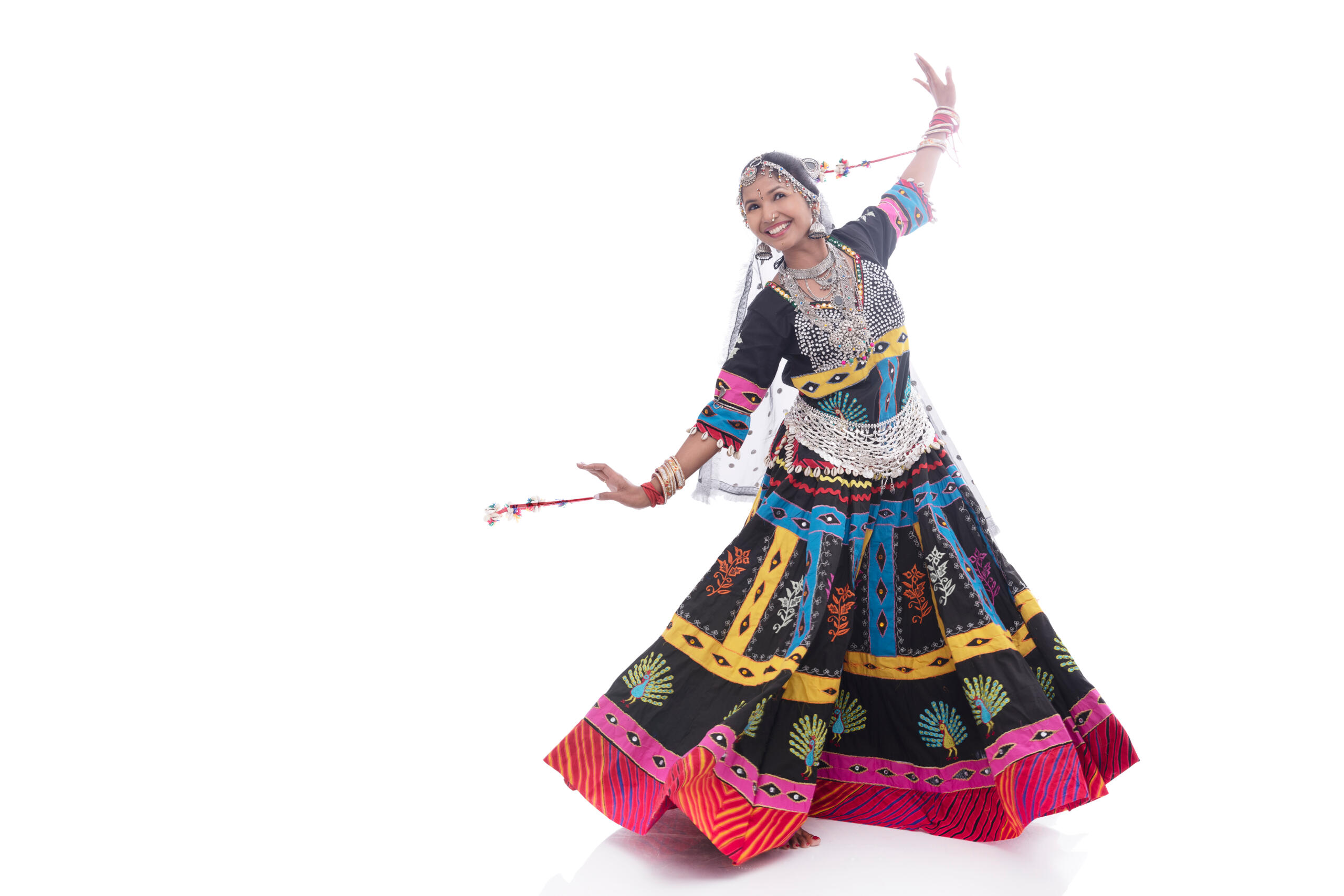
A Glimpse into the History of Folk Dance
Folk dance, a vibrant expression of cultural heritage, has its roots deep in human history. These dances, passed down through generations, often reflect the traditions, beliefs, and daily lives of the people who perform them.
Early Origins
The origins of folk dance can be traced back to ancient civilizations. Early humans used dance as a way to communicate, celebrate, and connect with the spiritual world. Ritualistic dances were performed to appease gods, celebrate harvests, and mark significant life events.
The Evolution of Folk Dance
As societies evolved, so did their dance forms. Folk dances adapted to the changing needs and aspirations of communities. They became a way to express emotions, tell stories, and strengthen social bonds.
- Medieval Europe: Folk dances in Europe were often associated with celebrations, festivals, and religious rituals. They were performed in communal settings, fostering a sense of community and belonging.
- Renaissance Period: During the Renaissance, folk dances were influenced by courtly dances and ballet. This period saw the development of more complex and stylized movements.
- Modern Era: In the 19th and 20th centuries, folk dance experienced a revival, with many countries establishing folk dance societies and organizing festivals. This helped to preserve traditional dance forms and promote cultural heritage.
The Significance of Folk Dance
Folk dance plays a crucial role in preserving cultural heritage and identity. It provides a connection to the past and fosters a sense of community. Some of the key benefits of folk dance include:
- Physical Health: Folk dance is a great way to stay physically active and improve cardiovascular health.
- Mental Health: It can help reduce stress, improve mood, and enhance cognitive function.
- Social Benefits: Folk dance promotes social interaction, teamwork, and a sense of belonging.
- Cultural Preservation: It helps to keep traditional cultures alive by passing down customs and traditions to future generations.
Curriculum
Beginner:
- Introduction to Regional Styles: Learning basic steps and rhythms from various Indian folk traditions.
- Group Dynamics: Emphasis on teamwork and coordination in group settings.
- Cultural Significance: Understanding the origins and stories behind each folk dance.
Intermediate:
- Complex Movements: Introduction to more intricate footwork and steps unique to each folk dance.
- Regional Specialization: Focusing on a specific region’s folk dance style to develop deeper cultural appreciation.
- Group Choreography: Participating in ensemble pieces that showcase unity and synchronization.
Advanced:
- Advanced Group Performances: Mastering full-length folk dance routines for stage performances.
- Cultural Context: Emphasis on costume, rhythm, and the traditional elements of folk dance.
- Public Performances: Preparing for community events and festivals.
Competition Level:
- Dynamic Choreographies: Preparing engaging and culturally rich pieces for competitions.
- Personal Style and Expression: Encouraging individual style within traditional forms to create a standout performance.
- Showcase Preparation: Emphasis on creating dynamic and audience-engaging performances for competitive settings.
Learning Objectives
- Build confidence in group dynamics and stage presence.
- Appreciate and embody the cultural essence of diverse folk traditions.
- Prepare for community events, festivals, and competitions.