A Glimpse into the History of Mohiniyattam
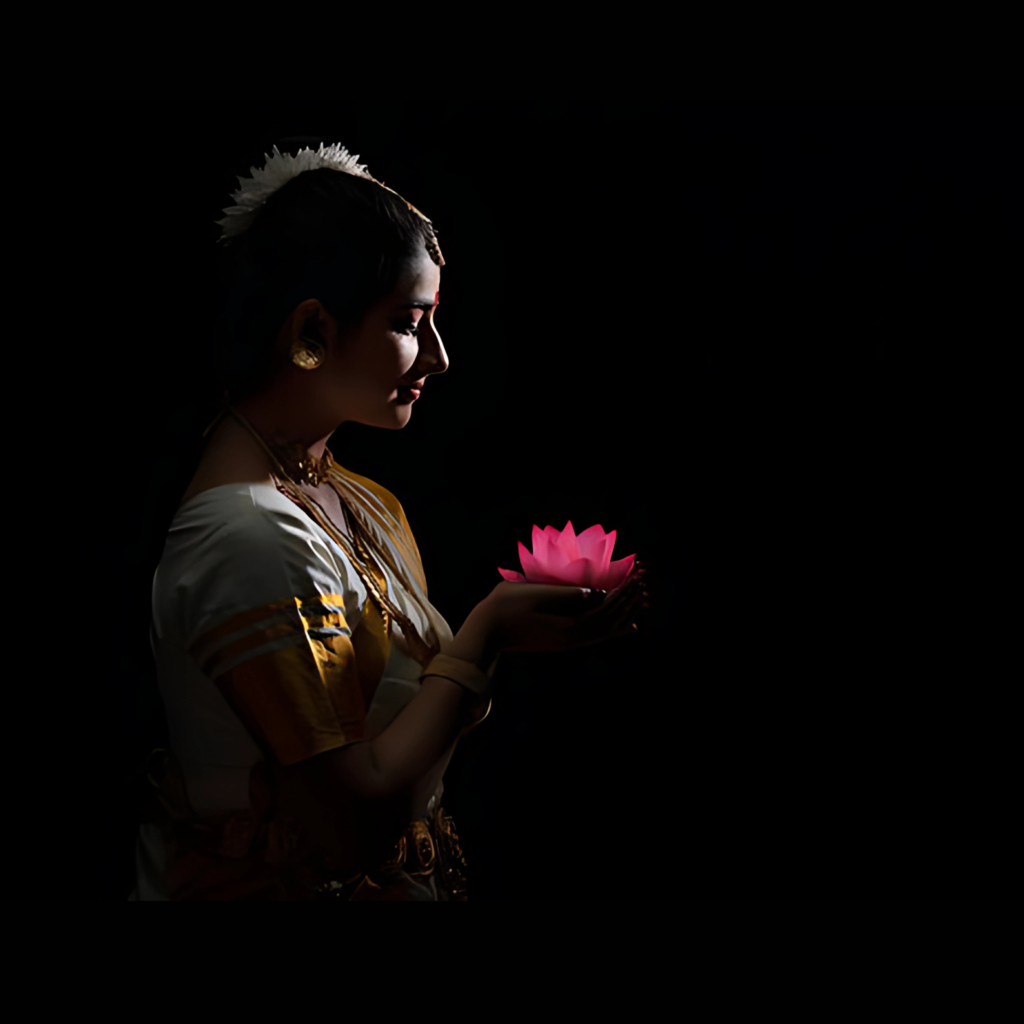
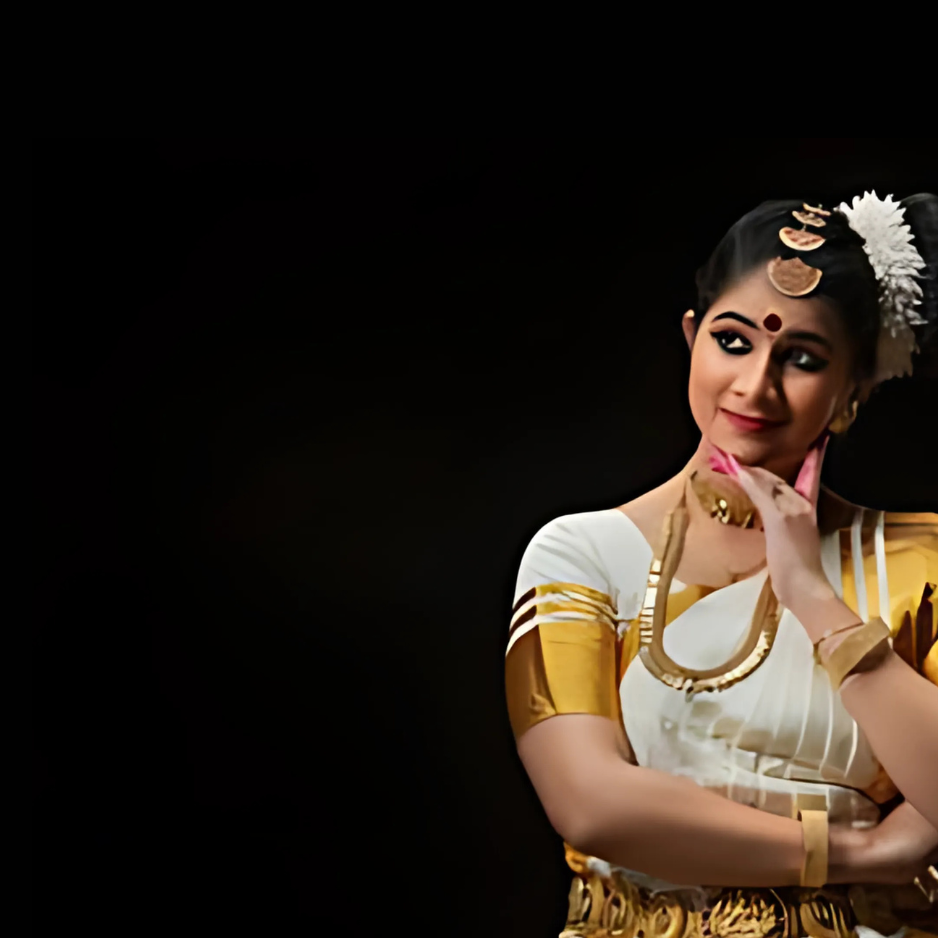
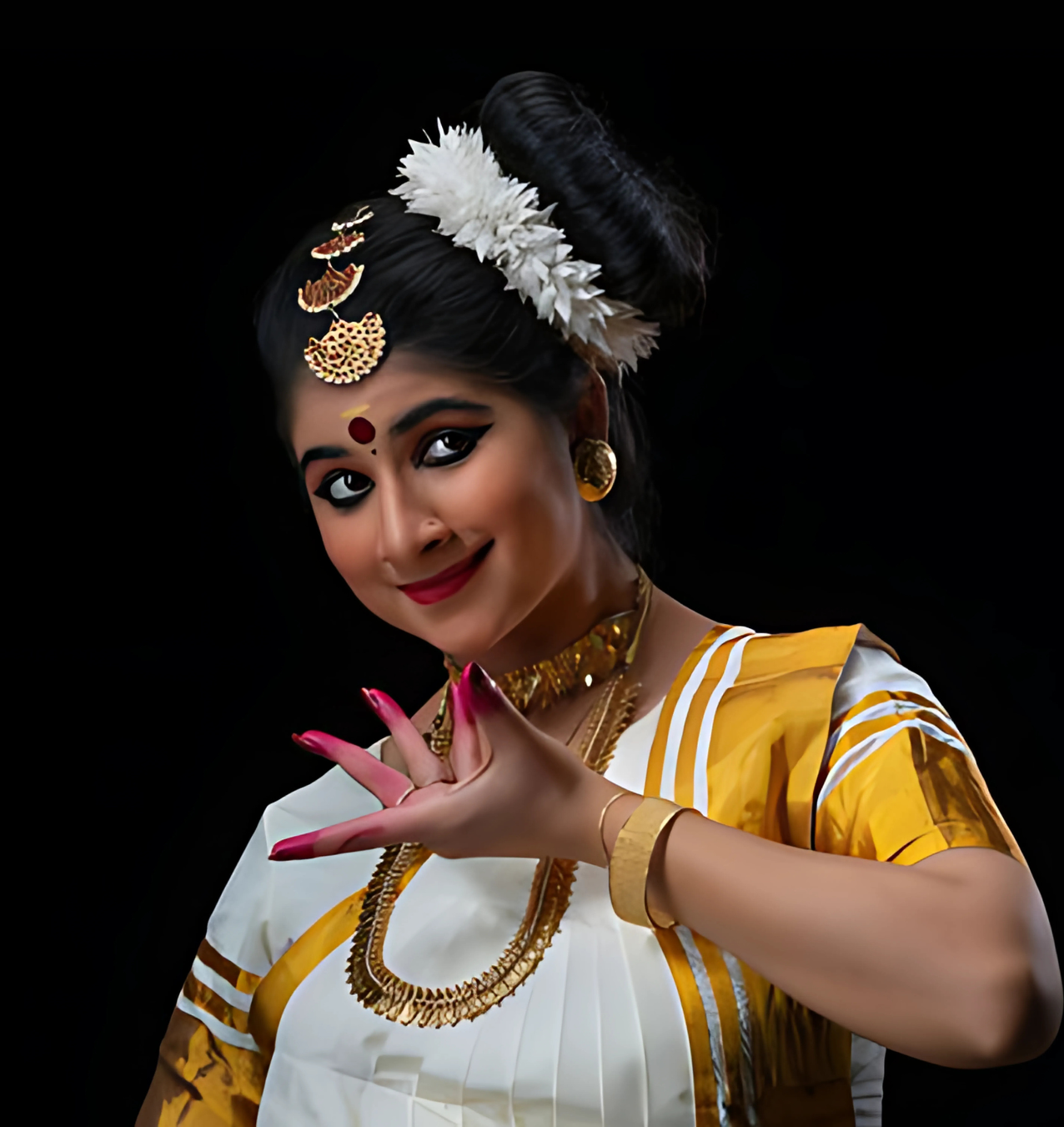
Mohiniyattam, a graceful and serene classical dance form, originates from the state of Kerala, India. It derives its name from “Mohini,” a captivating female avatar of Lord Vishnu, known for her enchanting beauty and seductive powers.
The roots of Mohiniyattam can be traced back to ancient temple traditions. It is believed to have evolved from the Natya Shastra, an ancient Indian treatise on performing arts. However, its specific origins remain shrouded in mystery.
During the medieval period, Mohiniyattam flourished under the patronage of various royal courts in Kerala. It was primarily performed by Devadasis, temple dancers dedicated to the service of deities. The dance form was closely associated with Hindu mythology and spirituality.
The 19th century marked a significant period in the history of Mohiniyattam. The reign of Swati Thirunal, the Maharaja of Travancore, witnessed a resurgence of interest in classical arts, including Mohiniyattam. He was a patron of the arts and contributed significantly to the development and refinement of the dance form.
In the 20th century, renowned personalities like Vallathol Narayana Menon and Kalamandalam Kalyanikutty Amma played a crucial role in reviving and popularizing Mohiniyattam. They established institutions dedicated to the preservation and promotion of classical arts, including Mohiniyattam.
Today, Mohiniyattam is recognized as one of the eight classical dance forms of India. It is characterized by its fluid movements, graceful postures, and delicate hand gestures. The dance is often accompanied by Carnatic music, providing the rhythmic and melodic framework for the performance.
Curriculum
Beginner:
- Basic Movements and Postures: Learning foundational movements that emphasize the gentle, flowing style of Mohiniyattam.
- Introduction to Abhinaya: Basic facial expressions and hand gestures to convey emotions.
- Focus on Rhythm: Developing a steady sense of rhythm in sync with Carnatic music.
Intermediate:
- Advanced Expressions: Developing more detailed expressions and gestures for narrative performance.
- Thematic Pieces: Introducing pieces that emphasize Mohiniyattam’s storytelling nature, often depicting Hindu myths.
- Rhythmic Complexity: Understanding different rhythm cycles and their integration into movements.
Advanced:
- Refined Compositions: Learning advanced pieces with complex footwork and emotional depth.
- Performance Preparation: Guidance in preparing solo pieces, focusing on personal interpretation and stage confidence.
- Emotive Storytelling: Mastery of subtle facial expressions and body language to convey deeper emotions.
Competition Level:
- Solo and Group Recital Pieces: Preparing polished, competitive-level pieces with emotional complexity.
- Innovative Choreographies: Encouraging the incorporation of individual interpretations within traditional pieces.
- Professional Preparation: Emphasis on stage presence, advanced rhythm mastery, and refined expressions for competitive performance.
Learning Objectives
Prepare for solo and competitive performances with confidence.
Develop a graceful and refined style unique to Mohiniyattam.
Cultivate advanced skills in abhinaya (expressive storytelling).