


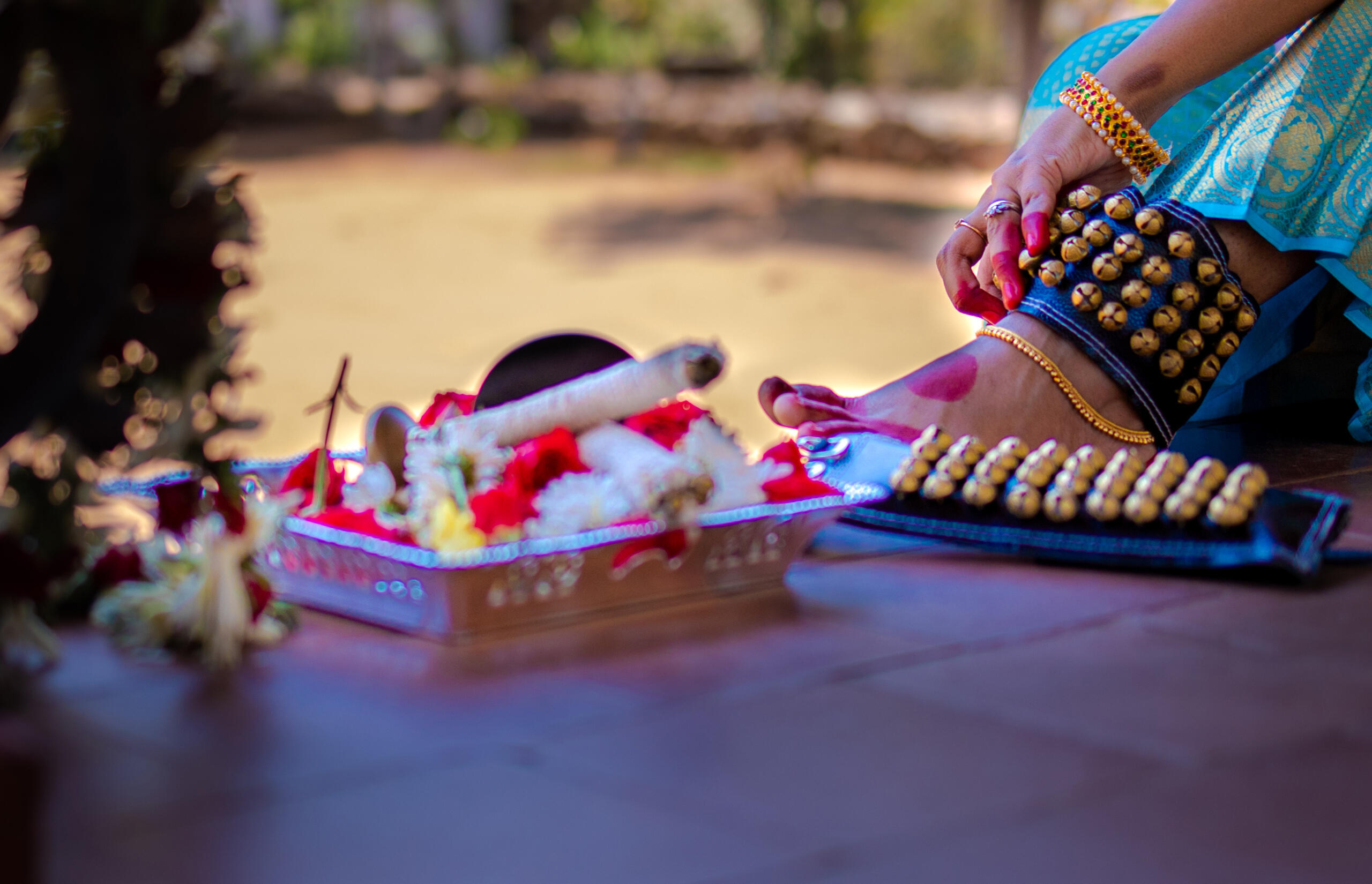
In the world of Indian classical dance, few moments are as meaningful and transformative as the Rangapravesham, or “ascending the stage” ceremony. This milestone represents the culmination of years of dedication, hard work, and growth, symbolizing a dancer’s transition from student to performer. Rangapravesham is more than just a first solo performance; it’s a celebration of artistry, discipline, and cultural heritage. In this blog, we explore the cultural, emotional, and artistic significance of Rangapravesham and its role in the lives of young classical dancers.
Rangapravesham: A Cultural Tradition Rooted in Legacy
Rangapravesham has deep cultural roots, embedded in the traditions of classical Indian dance forms such as Bharatanatyam, Kuchipudi, Odissi, and Kathak. In ancient times, dance was more than an art—it was a spiritual offering, a medium to connect with the divine, and a means of storytelling that conveyed timeless truths. The Rangapravesham represents a continuation of this legacy, as each dancer steps forward to carry on an age-old tradition of beauty, expression, and devotion.
The ceremony is usually attended by family, friends, gurus, and members of the community who come together to support and celebrate the dancer’s journey. For many, it is also a form of cultural preservation, as each dancer who completes their Rangapravesham becomes a part of the ongoing lineage of their dance form, keeping it alive for future generations.
The Journey to Rangapravesham: Years of Dedication and Training
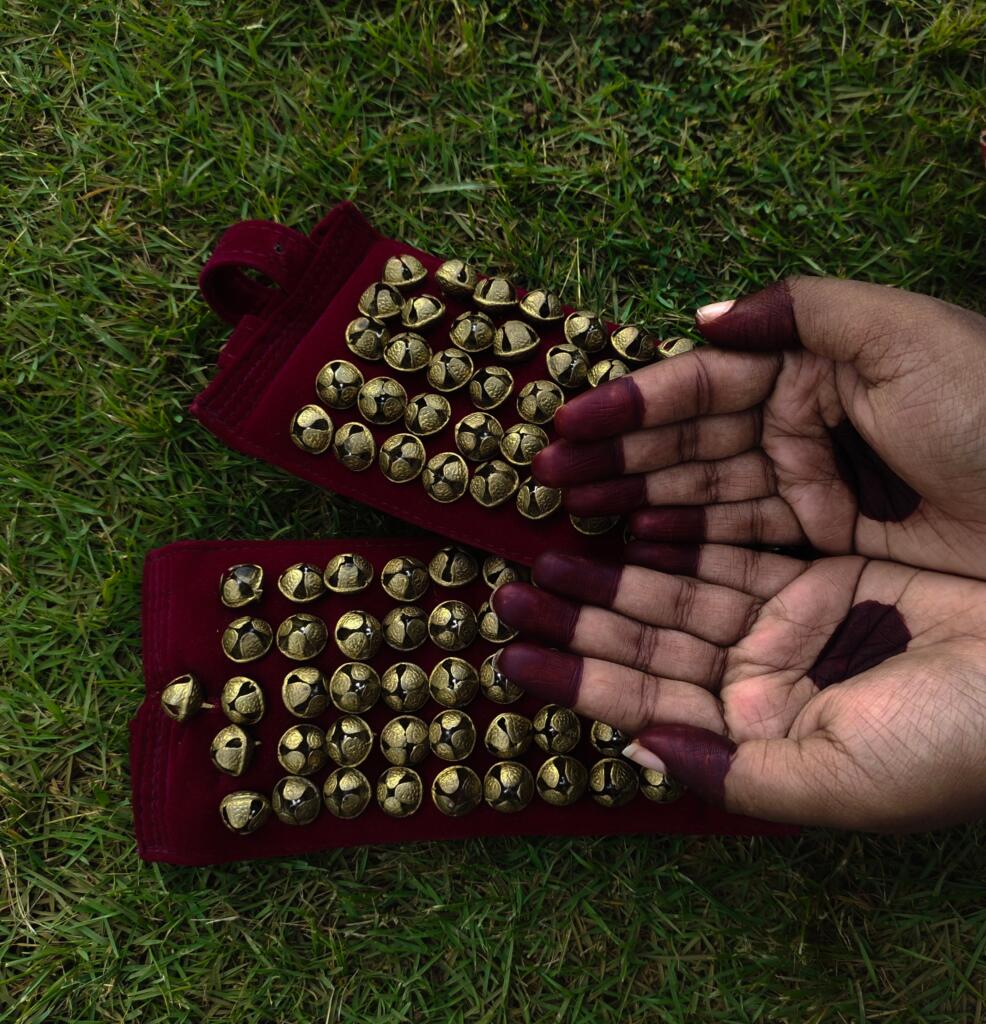
Rangapravesham is not a performance that can be prepared for overnight. It is the result of years—sometimes a decade or more—of rigorous training under the watchful guidance of a guru. Every aspiring classical dancer must first master the fundamentals: postures, hand gestures (mudras), footwork (tala), and expressions (abhinaya). Each technique requires precision, patience, and practice, which cultivates not only the dancer’s physical skill but also their mental discipline and emotional depth.
As the dancer progresses, they learn to communicate stories through their body, conveying the emotions, characters, and themes with clarity and grace. By the time they are ready for their Rangapravesham, they are expected to demonstrate not only technical proficiency but also the ability to convey the heart of their chosen art form. In this way, Rangapravesham becomes a mark of both technical and personal growth, as the dancer demonstrates their readiness to share their art with an audience.
In the guru-shishya parampara (teacher-student tradition), the teacher is not just an instructor but a mentor, guide, and often a second parent.
A Proud Moment for the Guru and the Family
Rangapravesham is a deeply emotional occasion for the dancer’s family and guru as well. For the family, this day represents years of support, encouragement, and sacrifice, watching their child grow from a novice to a young artist. It is a proud moment, a testament to the dedication and passion they have witnessed through years of practice and performance.
For the guru, Rangapravesham is equally significant. In the guru-shishya parampara (teacher-student tradition), the teacher is not just an instructor but a mentor, guide, and often a second parent. A successful Rangapravesham reflects the guru’s teaching, patience, and the bond they share with the student. It is a celebration of their shared journey, as the student steps onto the stage as a reflection of their guru’s wisdom and guidance..
The Significance of Rangapravesham: More Than Just a Performance
For the dancer, Rangapravesham is both an ending and a beginning. It is the culmination of years of training but also the beginning of a new chapter as a full-fledged artist. Through Rangapravesham, the dancer takes on a new role as a performer, bearing the responsibility of representing their art form with grace and authenticity. It is a moment of empowerment, where they realize that they are now equipped to share the depth and beauty of classical dance with the world.
This rite of passage is also a deeply personal experience. The dancer confronts and overcomes the nerves, doubts, and challenges that come with performing solo for the first time. It builds resilience, confidence, and a sense of accomplishment that will fuel their future endeavors in dance and beyond.
In essence, Rangapravesham marks the transition from learning dance as a student to embracing dance as a lifelong path. It’s a ceremony that acknowledges the dancer’s journey while setting the stage for further growth, creativity, and exploration.
The Role of Kalamandhir in Supporting Rangapravesham
At Kalamandhir, Rangapravesham is celebrated as a community event, with each student’s success cherished by teachers, students, and families alike. We believe that every dancer deserves a memorable and meaningful Rangapravesham, as it sets the foundation for their future in the art. Our curriculum is designed to ensure that each student reaches this milestone with confidence, equipped with the skills, understanding, and passion they need to succeed.
Throughout their training, students at Kalamandhir receive personalized guidance, regular feedback, and the opportunity to refine their technique, expression, and stage presence. Workshops, special classes, and collaborative performances help prepare students for the demands of Rangapravesham, while also nurturing their individuality and creativity as artists. For us, every Rangapravesham is a moment of pride, a celebration of our commitment to preserving and sharing the beauty of classical dance.
Celebrating the Art, Honoring the Journey
Rangapravesham is much more than a dance recital; it is a dancer’s first step into the world as an artist, a rite of passage that signifies their readiness to carry forward an ancient art form. It is a moment of celebration, tradition, and growth that leaves a lasting impact on the dancer and those who support them.
At Kalamandhir, we are honored to be a part of this journey, guiding each dancer towards this defining moment with love, dedication, and respect for the art. Rangapravesham is a tradition that enriches the lives of everyone involved, a reminder that the power of classical dance lies not just in movement but in the stories, emotions, and heritage it carries forward.
As we continue to celebrate Rangapravesham ceremonies for our students, we invite you to join us in supporting, witnessing, and appreciating this beautiful rite of passage, where tradition meets the stage and a new artist steps into the spotlight.