A Glimpse into the History of Semi-Classical Dance
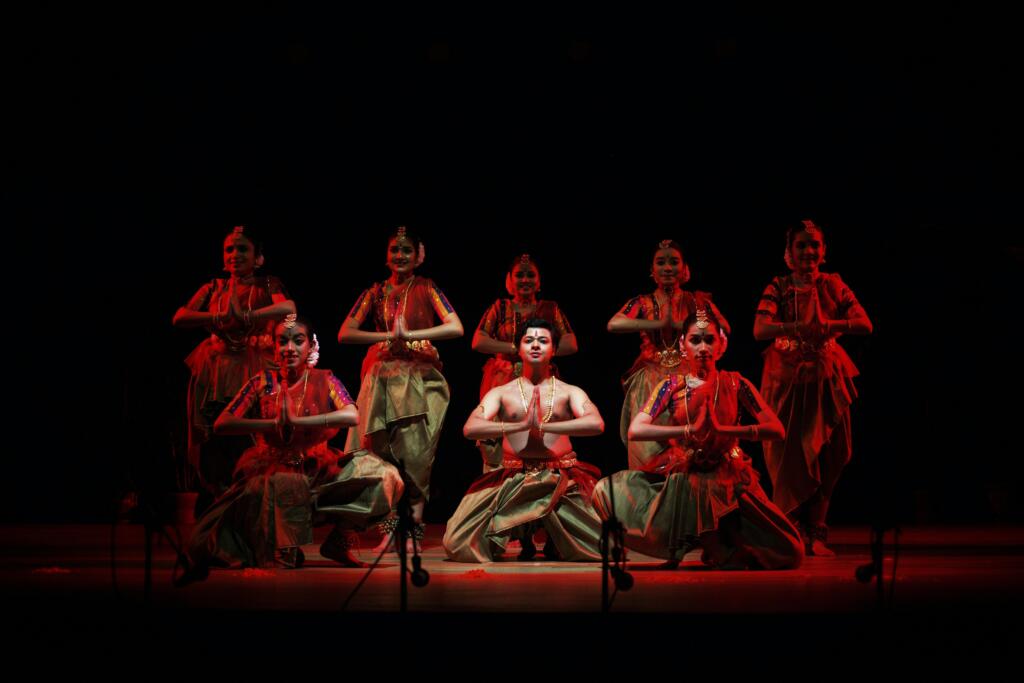
Semi-classical dance is a fascinating blend of classical and folk dance forms. It emerged as a response to the need for more accessible and contemporary dance styles while preserving the rich heritage of classical dance.
The Birth of Semi-Classical Dance
The roots of semi-classical dance can be traced back to the early 20th century when India was undergoing significant cultural and social changes. Dancers and choreographers began experimenting with new forms of dance, blending the rigorous techniques of classical dance with the vibrant energy and folk influences.
Key Characteristics of Semi-Classical Dance
- Fusion of Classical and Folk: Semi-classical dance incorporates elements from both classical and folk dance forms, creating a unique blend of styles.
- Simplified Techniques: While it retains the grace and elegance of classical dance, semi-classical dance often simplifies complex techniques to make them more accessible to a wider audience.
- Expressive Movements: Semi-classical dance emphasizes expressive movements and storytelling, allowing dancers to convey emotions and narratives through their performances.
- Modern Influences: Contemporary dance and Western influences have also played a role in shaping semi-classical dance, leading to innovative and experimental styles.
Popular Semi-Classical Dance Forms
- Kathakali-Based Semi-Classical Dance: This form blends the dramatic elements of Kathakali with modern dance techniques.
- Bharatanatyam-Based Semi-Classical Dance: This style incorporates the grace and precision of Bharatanatyam with contemporary interpretations.
- Odissi-Based Semi-Classical Dance: This form combines the lyrical and devotional aspects of Odissi with modern dance elements.
The Impact of Semi-Classical Dance
Semi-classical dance has gained significant popularity in recent years, especially among young dancers. It offers a refreshing and contemporary approach to classical dance, making it more accessible to a wider audience. By breaking down the barriers of traditional classical dance, semi-classical dance has opened up new avenues for creativity and innovation.
It’s important to note that while semi-classical dance offers a more flexible and contemporary approach, it still respects the core principles and techniques of classical dance. By blending tradition with modernity, semi-classical dance continues to evolve and captivate audiences worldwide.
Curriculum
Beginner:
- Basic Classical Techniques: Learning foundational movements from classical forms.
- Introduction to Creativity: Encouragement of personal interpretation and improvisation within the classical structure.
- Simple Choreographies: Creating short dance sequences using classical elements.
Intermediate:
- Blending Techniques: Combining elements from various classical dance styles with modern themes.
- Choreography Development: Working on original choreography to express contemporary narratives.
- Stage Presence: Enhancing stage confidence and audience engagement through semi-classical performance.
Advanced:
- Complex Choreographies: Developing solo and group pieces that incorporate both classical and modern movements.
- Personal Style: Encouraging students to explore and refine their unique style within the semi-classical framework.
- Performance Readiness: Preparing for advanced showcases and public performances.
Competition Level:
- Innovative Performances: Creating fresh and unique pieces for competitions, blending classical and modern elements.
- Refinement of Personal Style: Focusing on individuality within the semi-classical genre.
- Competitive Showcase: Preparing expressive, audience-focused pieces that emphasize technique and creativity.
Learning Objectives
Prepare for performances that highlight innovation and creativity.
Cultivate a versatile and expressive style in semi-classical dance.
Develop skills in choreography and personal expression.